A tiny smile can make a simple message feel completely different.
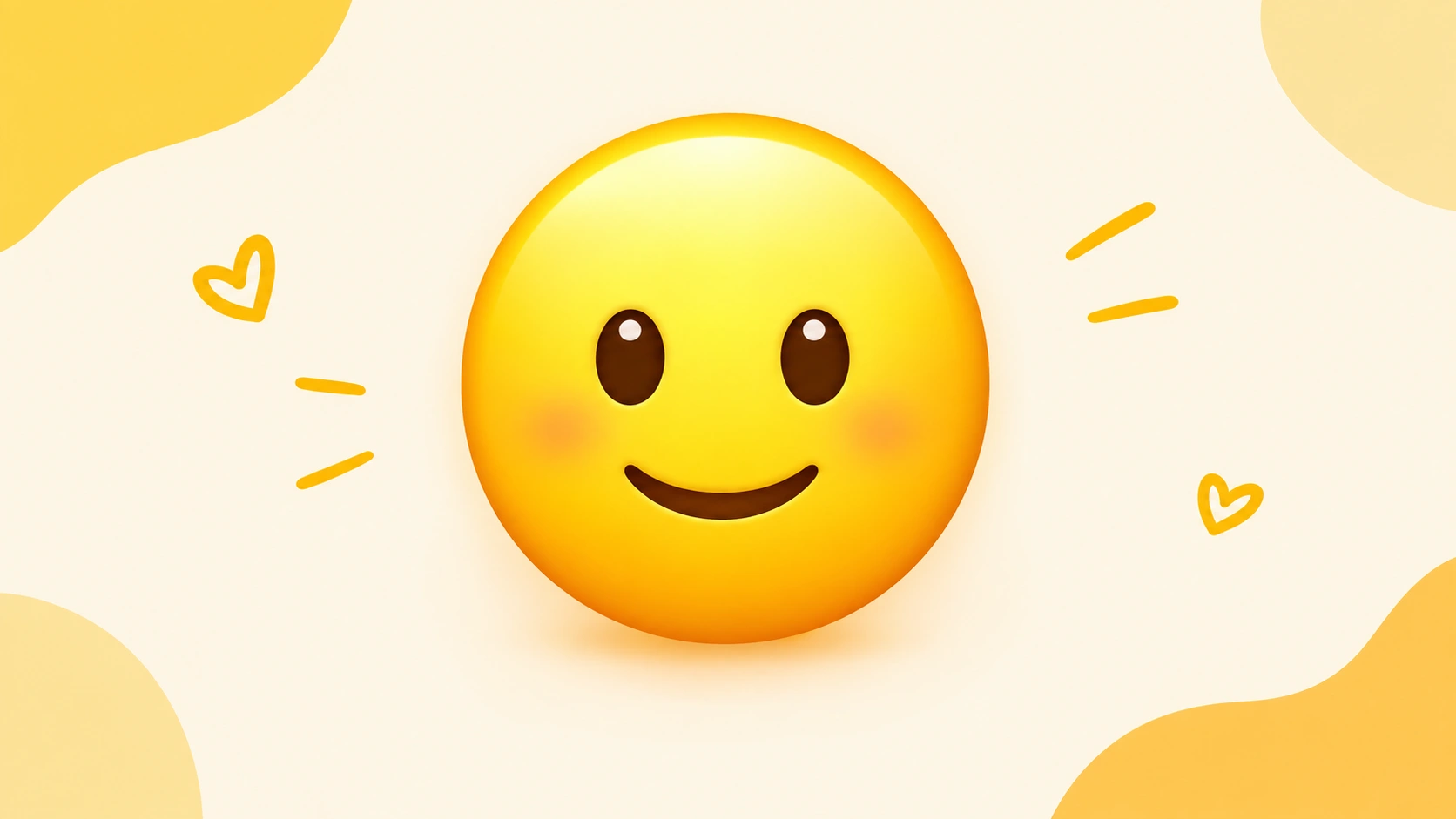
You send a quick “Okay 🙂” and suddenly you wonder how the other person will read it. Is it friendly, polite, warm, awkward, or slightly distant? That is exactly why people search for the smiling emoji face. The 🙂 emoji can add a gentle emotional layer to a message without saying much.
The most common interpretation of 🙂 is a mild smile, friendliness, politeness, or quiet positivity. However, its meaning can change depending on the words around it, the relationship between two people, and the situation. In some chats, it feels warm and reassuring. In others, it can sound restrained or even slightly uncomfortable.
Other smiling faces such as 😊, 😄, and 😁 can express stronger happiness, so choosing the right face matters. Whether you are using WhatsApp emojis, Instagram emojis, TikTok comments, or everyday texts, context is the key to understanding the tone.
Sometimes a small smile says “I’m okay,” “I’m being nice,” or simply “I’m here.” 🙂
What Does Smiling Emoji Face Mean? 🙂
The 🙂 Slightly Smiling Face usually represents a gentle smile, friendliness, calm positivity, or polite acknowledgment. It can make a short message feel softer without adding a strong emotional reaction. For example, “Thanks for helping me 🙂” can sound appreciative and friendly, while “See you tomorrow 🙂” can add a relaxed tone. In emoji meaning in texting, however, the same face can sometimes feel more restrained than enthusiastic. The surrounding words matter.
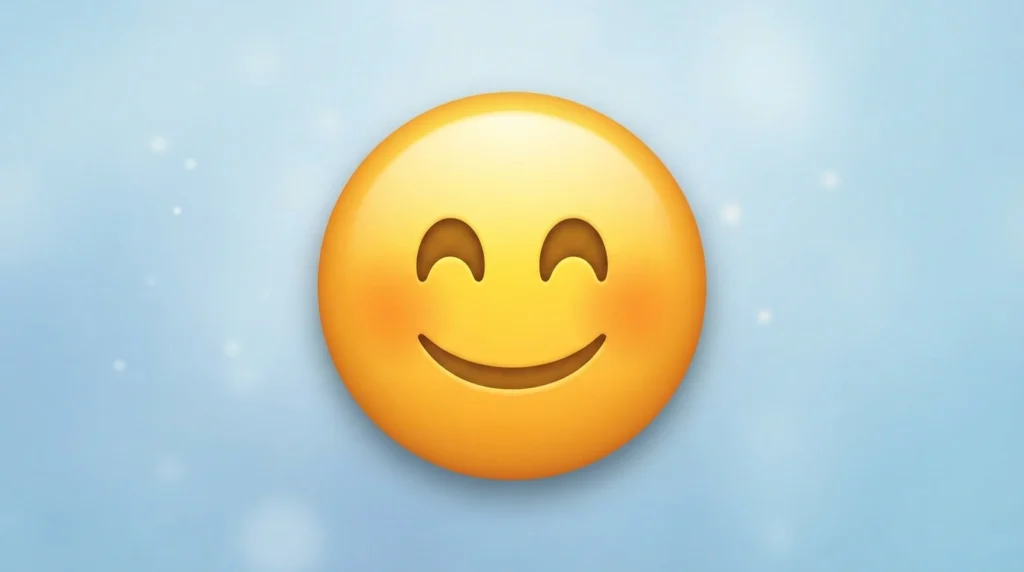
A stronger smile can communicate a different level of happiness. 😀 and 😃 often feel openly cheerful, while 😄 can suggest genuine happiness or excitement. 😊 commonly adds warmth, kindness, or affectionate friendliness. 😌 can communicate calm satisfaction or relief, while 😁 usually gives a more energetic, toothy smile. These differences are subtle, but they matter in real conversations.
On social media, 🙂 may appear in captions, comments, reactions, and casual posts. Someone might use it after a lighthearted statement or as a simple way to keep a comment friendly. In a personal conversation, the sender’s relationship with the receiver also matters. A close friend may use 🙂 casually, while the same emoji from someone in a tense conversation could be interpreted more cautiously.
Culture, personal habits, platform design, and conversation history can also affect interpretation. There is no single emotional translation that applies every time. A message such as “Sure 🙂” could mean genuine agreement, polite acceptance, or a softer response depending on what happened before it. That is why emoji meanings in chat should always be read together with the actual words and situation.
Meaning Table:
| Emoji | Core meaning | Possible misread | Best used when |
|---|---|---|---|
| 🙂 | Gentle smile, friendliness | Reserved or awkward | Calm, casual messages |
| 😊 | Warm happiness | Overly sweet | Friendly or affectionate chats |
| 😄 | Genuine happiness | Very enthusiastic | Happy reactions |
| 😃 | Cheerful positivity | Childlike excitement | Bright casual messages |
| 😀 | Open happiness | Very basic or formal | General positive reactions |
| 😁 | Big cheerful smile | Too energetic | Excited or playful moments |
| 😌 | Calm satisfaction | Self-satisfied | Relief or peaceful moments |
| ☺️ | Soft warmth | Old-fashioned | Sweet, gentle messages |
| 🙃 | Playful reversal | Sarcasm | Ironic or humorous situations |
| 🥰 | Affection and warmth | Too romantic | Loving or tender moments |
🙂 Slightly Smiling Face:
Meaning: A gentle smile, calm friendliness, or polite positivity.
Example 1: Thanks for checking on me 🙂
Example 2: See you after work 🙂
😊 Smiling Face with Smiling Eyes:
Meaning: Warm happiness, kindness, and friendly affection.
Example 1: That was really sweet of you 😊
Example 2: I’m glad everything worked out 😊
😄 Grinning Face with Smiling Eyes:
Meaning: Genuine happiness, excitement, or cheerful energy.
Example 1: We finally finished the project 😄
Example 2: That made my whole day 😄
😃 Grinning Face with Big Eyes:
Meaning: Bright happiness, enthusiasm, and cheerful excitement.
Example 1: Good morning! 😃
Example 2: I can’t wait for tonight 😃
😀 Grinning Face:
Meaning: Straightforward happiness and a broad positive reaction.
Example 1: That sounds great 😀
Example 2: We did it! 😀
😁 Beaming Face with Smiling Eyes:
Meaning: A big, energetic smile and strong cheerful feeling.
Example 1: I got the tickets 😁
Example 2: Guess who passed the test? 😁
😌 Relieved Face:
Meaning: Calmness, relief, satisfaction, or peaceful contentment.
Example 1: Everything is sorted now 😌
Example 2: Finally, I can relax 😌
☺️ Smiling Face:
Meaning: Gentle warmth, sweetness, and a soft positive mood.
Example 1: You always know what to say ☺️
Example 2: That was lovely ☺️
🙃 Upside-Down Face:
Meaning: Playfulness, irony, or a deliberately unusual tone.
Example 1: I definitely meant to do that 🙃
Example 2: Another Monday, wonderful 🙃
🥰 Smiling Face with Hearts:
Meaning: Strong affection, tenderness, and loving warmth.
Example 1: You made my day 🥰
Example 2: This message means so much to me 🥰
How to Use Smiling Emoji Face the Right Way?
The best way to use a smiling emoji face is to let the surrounding message establish the tone. A smile should support the words instead of replacing them.
WhatsApp 💬
On WhatsApp, 🙂 works naturally in personal chats, family conversations, friendships, and everyday messages. It can soften a quick response such as “No problem 🙂” or make an ordinary goodbye feel warmer.
For family chats, a gentle smile can keep short replies friendly. With friends, it can work after a joke, casual update, or simple agreement. In an emotional conversation, use it carefully because a mild smile may not match a serious message.
For a status update, 🙂 can suggest a calm or positive mood without making the post overly expressive.
Instagram 📸
Instagram emojis often appear in captions, comments, bios, and Reels. A smiling face can make a short caption feel approachable.
For example, a simple caption such as “Weekend well spent 🙂” feels relaxed. In comments, 🙂 can show a friendly reaction without needing a full sentence. You can also pair it with a short compliment when the context calls for something understated.
TikTok 🎵
TikTok conversations often move quickly, so emojis can help communicate reactions. 🙂 can appear in captions and comments when someone wants a calm, playful, or lightly amused tone.
The meaning can shift quickly in humorous or ironic content. Always consider the video and surrounding comments before interpreting the emoji literally.
On Facebook, the smiling face can fit posts, comments, and Messenger conversations. It works well for everyday updates, congratulations, friendly replies, and casual interactions.
The key is moderation. A simple 🙂 can support a message, but a serious conversation usually benefits from clear words rather than relying only on an emoji.
Do’s and Don’ts:
Do:
- Use 🙂 to soften casual messages.
- Consider your relationship with the receiver.
- Read the surrounding conversation.
- Match the emoji with your intended tone.
- Remember that different devices may display it differently.
Don’t:
- Assume 🙂 always means happiness.
- Use it to hide the meaning of a serious message.
- Add emojis randomly.
- Assume the receiver interprets it exactly as you do.
- Automatically treat every smiling face as romantic.
Why Does Smiling Emoji Face Look Different on iPhone and Android?
If 🙂 looks slightly different on an iPhone, Android phone, or computer, that does not necessarily mean you received a different emoji. Emoji characters are standardized through Unicode, while technology companies create their own visual artwork for those characters.
Apple, Google, Samsung, Microsoft, and other platforms can therefore give the same emoji a different appearance. The face shape, smile, eyes, colors, proportions, and overall style may vary.
For example, the 🙂 character sent from an iPhone can look somewhat different when viewed on an Android device. The underlying Unicode character remains the same, but the artwork used to display it belongs to the receiving platform.
This matters when interpreting subtle facial expressions. A small difference in the eyes or mouth can make an emoji feel slightly warmer, flatter, or more expressive to a particular person. That does not create a new official meaning.
The same basic principle applies to other emoji symbols. Unicode provides the standardized character, while individual platforms determine how that character is visually rendered.
So if someone sends you 🙂 and it looks different from the version you normally see, focus first on the conversation rather than the artwork alone. The platform design can influence visual impression, but the surrounding message remains the most useful clue.
Best Smiling Emoji Face Combos, Copy & Paste:
Romantic ❤️
🙂🥰 — Use this for a gentle romantic message with warmth.
🥰☺️ — Use this when expressing soft affection.
🙂❤️ — Use this for simple, sincere affection.
Cute 🥰
😊🙂 — Use this for a sweet and friendly reply.
☺️🥰 — Use this for a warm, affectionate message.
😄😊 — Use this when sharing cheerful excitement.
Flirty 😉
🙂😉 — Use this when a friendly message has a playful edge.
😊😉 — Use this for light teasing with someone you know well.
🥰😉 — Use this for affectionate, playful flirting.
Missing Someone 💭
🙂🥰 — Use this when thinking about someone warmly.
😊😌 — Use this for a calm message about missing someone.
🥰🙂 — Use this to keep a heartfelt message gentle.
Good Night 🌙
😌🙂 — Use this for a peaceful good-night message.
😊☺️ — Use this for a sweet, friendly bedtime wish.
🥰😌 — Use this for a warm and affectionate good-night message.
Trending Smiling Emoji Face in 2026:
In 2026, smiling faces remain a familiar part of everyday digital communication because they can add emotional tone without requiring a long explanation. Different smiling emojis appear in WhatsApp messages, Instagram captions, TikTok comments, Facebook posts, and casual conversations.
🙂 is useful when the intended feeling is relatively mild. 😊 can make a message feel warmer, while 😄 often gives a more openly cheerful impression. 🥰 is frequently used when affection is central to the message.
Their popularity does not mean every user interprets them identically. Online communities develop their own habits, and individual users often have personal ways of using emoji symbols.
| Emoji | Why trending | Who uses it | Platform |
|---|---|---|---|
| 🙂 | Simple, understated tone | Everyday chat users | WhatsApp, Instagram |
| 😊 | Warm and friendly feeling | Friends and families | Messaging, social media |
| 😄 | Cheerful reaction | Casual users and creators | TikTok, Instagram |
| 🥰 | Affectionate expression | Friends, couples, families | WhatsApp, Instagram |
A useful observation is that emoji usage continues to evolve with online conversation, so context and community habits remain important when reading a smiling face.
Smiling Emoji Face Meaning in Different Contexts:
Romantic Conversations
In romantic chats, 🙂 can feel gentle rather than intensely emotional. “Good morning 🙂” may sound warm and comfortable, while 🥰 generally communicates stronger affection. The relationship and previous conversation matter more than the emoji alone.
Friendship
Among friends, a smiling face can be completely casual. “Thanks for coming 🙂” may simply show appreciation. A friend may also use 😊 or 😄 when the message is more enthusiastic.
Family
Family members can use smiling emojis to make everyday communication feel warmer. A short message such as “I’m home 🙂” can sound more reassuring than the same words without an emoji.
Professional and Casual Communication
In casual workplace communication, 🙂 may soften a friendly sentence, but the situation matters. In formal messages, clear language should remain the main method of communication.
Texting
Emoji meaning in texting depends heavily on the words around the emoji. “That’s great 🙂” may communicate mild approval, while “That’s amazing 😄” gives a more energetic response.
Social Media Comments
A smiling face in a comment can indicate friendliness, approval, or a light reaction. On TikTok or Instagram, however, surrounding content can introduce humor or irony.
Captions
In captions, 🙂 can create a relaxed mood without taking over the message. It works particularly well when the caption is already positive and the emoji simply reinforces the tone.
How to Copy and Paste Smiling Emoji Face?
Here is the primary smiling emoji face ready to copy:
🙂
To use it, select the emoji, copy it, and paste it wherever you want.
You can paste 🙂 into WhatsApp messages, Instagram captions, TikTok comments, Facebook posts, Messenger chats, text messages, or other apps that support Unicode emojis.
Copy-paste emoji: 🙂
More smiling options: 😊 😄 😃 😀 😁 😌 ☺️ 🙃 🥰
The appearance may change slightly when you paste it between different devices, but the underlying emoji character remains the same.
FAQs:
1. What is the most popular smiling emoji face?
There is no single universal winner for every platform or conversation. 🙂, 😊, 😄, and 😀 are all widely recognized smiling faces, but individual preferences and context affect which one people choose.
2. What does 🙂 mean when someone sends it?
It can communicate a gentle smile, friendliness, politeness, or mild positivity. In some situations, it may feel restrained or awkward, so the surrounding words and relationship are important.
3. Why do emojis look different on iPhone vs Android?
Unicode standardizes the emoji character, while companies such as Apple, Google, and Samsung create their own visual designs. That is why the same emoji can look slightly different across devices.
4. Are smiling emoji faces used differently in other countries?
Emoji interpretation can vary with cultural, community, and personal communication habits. However, there is no single interpretation that applies to everyone in a particular country, so context remains important.
Conclusion:
The smiling emoji face 🙂 is simple, flexible, and useful for everyday digital conversations. Its tone can range from friendly and calm to polite or slightly reserved depending on the situation.
Use the words around it as your main guide, and choose a stronger smiling face when you want more obvious excitement or affection. 😊
A little attention to context can make your emoji combinations, messages, captions, and comments much easier to understand.

Nasrullah — Emoji Strategist & Content Writer
Nasrullah is a passionate emoji enthusiast and content writer who loves exploring the meanings, uses, and cultural context behind emojis. He creates simple, helpful, and easy-to-understand guides that help readers choose the right emoji for WhatsApp, Instagram, Facebook, texting, and everyday conversations.
With a focus on emoji meanings, combinations, social media usage, and modern digital communication, Nasrullah aims to make every emoji easier to understand and use with confidence. His content combines practical examples with clear explanations so readers can quickly find the meaning and usage they are looking for.
When he’s not researching emojis, Nasrullah enjoys exploring digital trends, writing useful online content, and learning about how people communicate in the digital world. 😊