Have you ever received a message so funny that a regular smile just did not feel strong enough? That is when the squinting eyes emoji 😆 can come in handy. It is often used to express laughter, amusement, excitement, or a reaction to something genuinely hilarious. Whether someone sends it in a WhatsApp conversation, drops it in an Instagram comment, or uses it under a TikTok video, this emoji adds a playful feeling to the message.
The squinting eyes emoji is often associated with laughing so hard that your eyes almost close. However, its meaning can change depending on the conversation. It might show genuine happiness, friendly teasing, an awkward reaction, or playful sarcasm. Sometimes, it simply makes a message feel less serious. Understanding the tone behind it can help you respond naturally without overthinking every little emoji you receive.
The squinting eyes emoji 😆 captures those moments when something is so funny, exciting, or ridiculous that you cannot stop smiling.
What Does the Squinting Eyes Emoji Mean? 😆
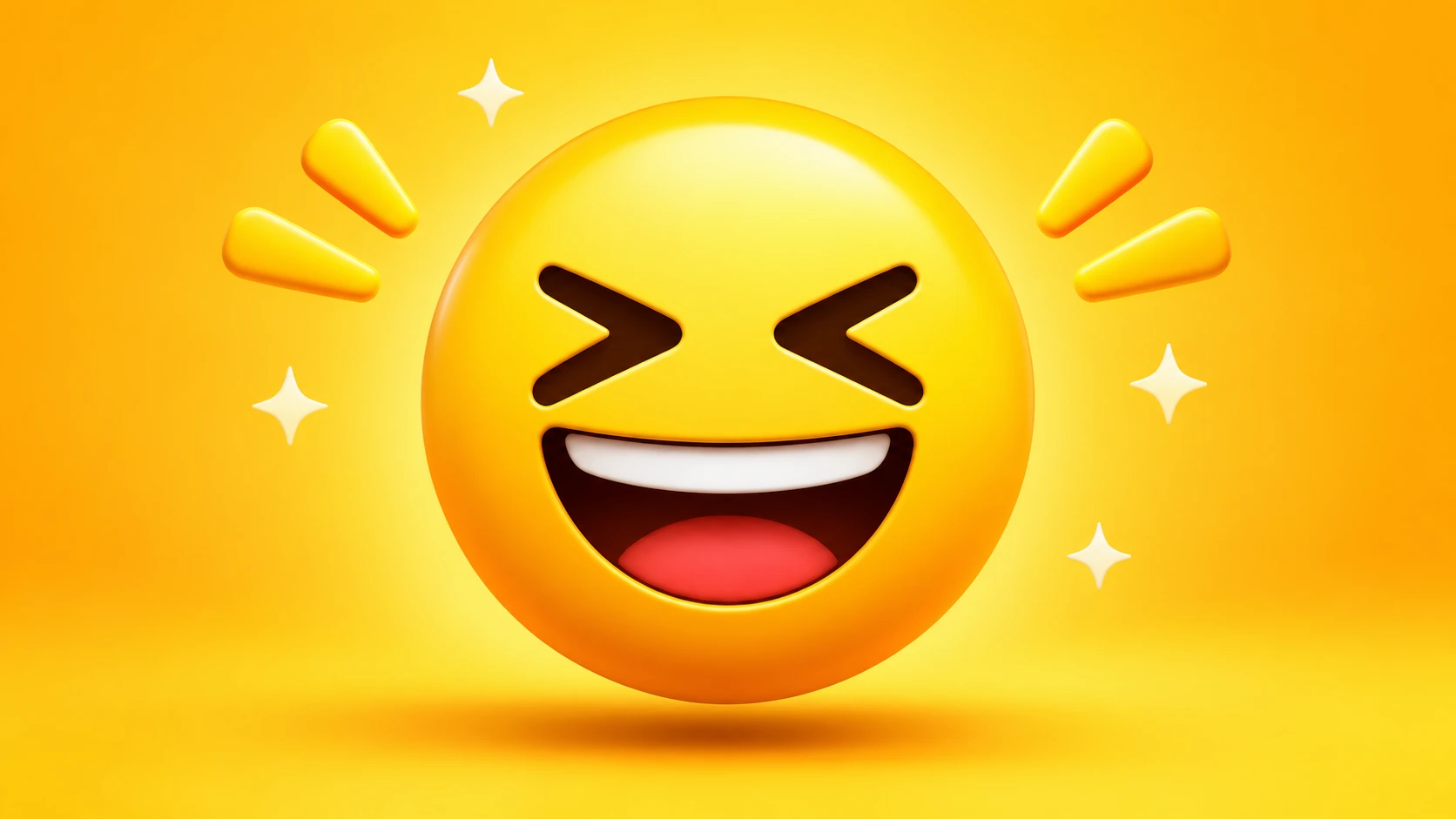
The squinting eyes emoji 😆, officially known as Smiling Face with Open Mouth and Tightly-Closed Eyes, generally represents laughter, amusement, and uncontrollable happiness. It looks like a face laughing with its eyes squeezed shut, making it a natural choice when something is genuinely funny or when you want your message to feel cheerful and expressive.
In texting, 😆 often means “That is hilarious,” “I cannot stop laughing,” or “You really made me laugh.” Friends might use it when sharing funny stories, making jokes, teasing one another, or reacting to an unexpected situation. Unlike a simple smiling emoji, it carries a stronger sense of excitement and amusement.
It can also communicate playful embarrassment. Imagine accidentally sending a message to the wrong person or making a silly mistake. Adding 😆 can make the situation feel less awkward and show that you are laughing at yourself. In some conversations, it can even soften a sarcastic comment, although the surrounding words still matter.
Here are a few related emojis that can express slightly different feelings:
- 😆 Squinting laughter: Laughing hard at something funny.
- 😂 Tears of joy: Something is so funny that you are crying with laughter.
- 😁 Big cheerful smile: Happiness, excitement, or friendly enthusiasm.
- 🤣 Rolling on the floor laughing: An exaggerated reaction to something extremely funny.
- 😅 Relieved or awkward laughter: Laughing through an embarrassing or uncomfortable moment.
- 😉 Playful wink: Teasing, joking, or suggesting something without saying it directly.
The meaning of 😆 is not always identical for everyone. A close friend may use it to show genuine laughter, while someone in a casual conversation may use it simply to keep the mood light. In romantic conversations, it might signal playful affection, but it does not automatically mean flirting. The message, relationship, and timing all help reveal its intended tone.
Squinting Eyes Emoji Meaning Table
| Emoji | Core meaning | Possible misread | Best used when |
|---|---|---|---|
| 😆 | Strong laughter, amusement | Nervous or exaggerated reaction | Something genuinely funny happens |
| 😂 | Laughing with tears | Overused or dramatic laughter | A joke makes you laugh hard |
| 😁 | Cheerful, excited smile | Forced happiness | Sharing good news |
| 🤣 | Extreme laughter | Mocking someone | Reacting to hilarious content |
| 😅 | Awkward or relieved laughter | Nervousness | Recovering from a funny mistake |
| 😉 | Playful wink | Flirting or sarcasm | Teasing someone lightly |
Squinting Eyes Emoji Cards
😆 Squinting Eyes Emoji
Meaning: Laughing hard, feeling amused, or reacting to something hilarious.
Example 1: That story actually made my day 😆
Example 2: I was not expecting that ending 😆
😂 Face with Tears of Joy
Meaning: Laughing so hard that the situation feels overwhelming.
Example 1: I have watched this video five times 😂
Example 2: Stop sending these memes, I cannot breathe 😂
😁 Beaming Face with Smiling Eyes
Meaning: Happiness, friendliness, excitement, and positive energy.
Example 1: Finally finished my exams 😁
Example 2: It was so nice seeing everyone today 😁
🤣 Rolling on the Floor Laughing
Meaning: An exaggerated reaction to something incredibly funny.
Example 1: Your impression of him was too accurate 🤣
Example 2: That comment section is wild 🤣
😅 Grinning Face with Sweat
Meaning: Nervous laughter, relief, or laughing at an awkward situation.
Example 1: I almost forgot about the meeting 😅
Example 2: Well, that was embarrassing 😅
😉 Winking Face
Meaning: Playful teasing, a cheeky hint, or friendly humor.
Example 1: You already know what I mean 😉
Example 2: Maybe I will tell you later 😉
😄 Grinning Face with Smiling Eyes
Meaning: Warm happiness, friendly laughter, and cheerful excitement.
Example 1: That sounds like a perfect weekend 😄
Example 2: I am so happy for you 😄
😃 Grinning Face with Big Eyes
Meaning: Excitement, enthusiasm, and an energetic smile.
Example 1: Guess what, we are going on vacation 😃
Example 2: I finally got the tickets 😃
😝 Squinting Face with Tongue
Meaning: Silly humor, playful mischief, or joking around.
Example 1: I told you I would eat the last slice 😝
Example 2: No regrets, that was totally worth it 😝
😜 Winking Face with Tongue
Meaning: Cheeky fun, joking, and playful teasing.
Example 1: You cannot beat me at this game 😜
Example 2: I am definitely not sharing my snacks 😜
How to Use the Squinting Eyes Emoji the Right Way?
The 😆 emoji works best when your message feels funny, cheerful, playful, or slightly exaggerated. It can help make a short reply more expressive and prevent a joke from sounding too serious. However, the same emoji can feel different depending on the platform and the person receiving it.
WhatsApp 💬
WhatsApp is one of the most natural places to use 😆 because conversations are often casual and personal. You can send it to friends when they share funny stories, make unexpected jokes, or tease you about something harmless.
In family groups, it can react to funny pictures, old memories, or playful comments. Between friends, it can show that you are enjoying the conversation without needing to write a long response.
Examples:
- You really did that in front of everyone 😆
- I am still laughing at what happened yesterday 😆
- Mom caught you sneaking snacks again 😆
It also works in WhatsApp Status updates when sharing something funny or relatable. If you are posting a humorous situation, adding 😆 can make your intended mood easier to understand.
Instagram 📸
On Instagram, 😆 can be used in captions, comments, Stories, and replies. It works especially well under funny Reels, relatable posts, unexpected transformations, and humorous everyday moments.
Examples:
- This Reel is way too relatable 😆
- The last part got me 😆
- Why does this happen every single time 😆
You can also use it in a caption to show that you are not taking yourself too seriously. For example, a picture of a messy room with a funny caption and 😆 can make the post feel more casual and entertaining.
TikTok 🎵
TikTok is full of quick reactions, comedy clips, unexpected endings, relatable situations, and playful trends. The squinting eyes emoji fits naturally in comments when something catches you off guard or makes you laugh.
Examples:
- I was not ready for that ending 😆
- The confidence is unreal 😆
- This is literally my friend every day 😆
It can also add humor to a caption, particularly when the video shows a funny mistake, an exaggerated reaction, or a situation that many people recognize.
On Facebook, 😆 is useful for reacting to funny posts, replying to friends, commenting on shared videos, and keeping conversations light.
For example, you might use it under an old school photo, a family joke, a humorous status, or a funny memory someone shared. It works in Messenger too, especially when a simple laughing reaction feels more natural than typing a full sentence.
The main idea is simple: use 😆 when you want people to recognize that you are amused, joking, or enjoying the moment.
Dos and Don’ts
Do:
- Use 😆 when a joke genuinely makes you laugh.
- Add it to friendly teasing when the other person understands your humor.
- Use it to make casual messages feel more relaxed.
- Consider the relationship and the conversation before sending it.
Don’t:
- Use it to laugh at someone who is sharing something painful.
- Assume it will make a serious message sound harmless.
- Add it to every sentence.
- Treat it as an automatic sign of flirting or romantic interest.
12. Why Do Squinting Eyes Emojis Look Different on iPhone and Android?
Have you ever noticed that the same emoji can look slightly different when your friend sends it from an iPhone and you view it on an Android phone? That happens because emojis are standardized characters, but their artwork is created separately by different technology companies.
The squinting eyes emoji 😆 belongs to the Unicode emoji standard. Unicode helps devices recognize the same character across different operating systems, apps, and platforms. However, Unicode does not require every company to draw the emoji exactly the same way.
Apple, Google, Samsung, Microsoft, and other companies design their own emoji artwork. As a result, the squinting eyes emoji may have differences in:
- Facial expression: The mouth or closed eyes may appear slightly different.
- Color: Yellow tones and shading can vary.
- Shape: Facial proportions and details may not match perfectly.
- Style: Some designs look flatter, while others have more depth or shading.
- Size: The emoji may appear larger or smaller depending on the app and font.
These differences do not necessarily change the underlying emoji character. When someone sends 😆 from an iPhone to an Android device, the receiving phone usually displays its own supported artwork for that character.
For example, you might see a slightly different mouth shape or a different style of tightly closed eyes. Even so, the basic laughing expression remains recognizable.
The same thing can happen in WhatsApp, Instagram, Facebook, TikTok, and other apps. Some platforms use their own emoji rendering, while others rely more heavily on the device’s emoji support.
So, if the squinting eyes emoji looks a little different on your phone, it does not mean your friend sent another emoji. It is usually just a difference in visual design.
13. Best Squinting Eyes Emoji Combos, Copy & Paste
The 😆 emoji is easy to combine with other closely related emojis when you want to make a message more expressive. These combinations work for funny conversations, playful reactions, romantic teasing, and lighthearted captions.
Romantic ❤️
- 😆😁 – Use this when laughing together during a sweet conversation.
- 😉😆 – Add this to playful teasing with someone you like.
- 😆😂 – Use this when a romantic conversation turns hilariously funny.
Cute 🥰
- 😆😄 – A cheerful reaction to something adorable or funny.
- 😁😆 – Use it when you are feeling extra happy and playful.
- 😆😝 – Perfect for silly jokes and funny moments with friends.
Flirty 😉
- 😉😆 – Use this when teasing someone in a playful way.
- 😜😆 – Add this to a cheeky joke or fun challenge.
- 😆😉 – A lighthearted reply when someone is trying to make you smile.
Missing Someone 💭
- 😆😂 – Use this when remembering funny moments with someone.
- 😅😆 – A playful way to react to an old embarrassing memory.
- 😁😆 – Share this when remembering happy times together.
Good Night 🌙
- 😆😄 – Use this after a funny bedtime conversation.
- 😅😆 – A lighthearted reaction before ending a chat.
- 😆😁 – Send this when the conversation ends on a happy note.
These combinations are simple, easy to copy, and useful in everyday chats. You do not need to add several emojis to make a reaction meaningful. Sometimes two matching expressions are enough to communicate the mood.
14. Trending Squinting Eyes Emojis in 2026
In 2026, expressive emojis remain a natural part of everyday online conversations. The squinting eyes emoji 😆 fits the kind of communication where people react quickly to jokes, relatable videos, funny screenshots, unexpected situations, and playful comments.
Rather than relying on formal reactions, people often use expressive faces to make their responses feel more personal. A short comment with 😆 can communicate amusement without needing a full explanation.
Several emojis from the same expressive family commonly appear in casual conversations:
| Emoji | Why trending | Who uses it | Platform |
|---|---|---|---|
| 😆 | Expresses genuine amusement and playful reactions | Friends, casual users, creators | WhatsApp, TikTok, Instagram |
| 😂 | Communicates strong laughter and funny reactions | Meme lovers, friends, social users | Facebook, Instagram, TikTok |
| 🤣 | Adds exaggerated humor to unexpected moments | Comedy fans, creators, commenters | TikTok, Instagram, Facebook |
| 😅 | Expresses awkward humor or relief | Everyday users, friends, coworkers | WhatsApp, Messenger, Instagram |
Creators often use these expressions in captions or comments to make a reaction feel more natural. For instance, someone watching a funny cooking fail might comment 😆 rather than explaining why the video made them laugh.
On WhatsApp, these emojis can make personal messages feel warmer. 😆On Instagram, they help express reactions under Reels and memes. On TikTok, they appear in comments about funny trends, unexpected twists, and relatable situations.
The tone can also change. A 😆 after a friendly joke feels positive, but the same emoji after someone’s serious mistake might appear insensitive. It is always worth considering what the other person is sharing before reacting.
Emoji usage continues to evolve as people develop new ways to express humor, personality, and emotion through short digital messages.
15. Squinting Eyes Emoji Meaning in Different Contexts
The squinting eyes emoji 😆 may look straightforward, but its emotional meaning can shift depending on who sends it and what is being discussed. A little context can make the difference between genuine laughter, friendly teasing, and sarcasm.
Romantic conversations
When someone you like sends 😆, they may be laughing at your joke, enjoying the conversation, or feeling comfortable being playful with you.
Example: You are actually so funny 😆
It can make a conversation feel relaxed, but it is not enough by itself to confirm romantic interest.
Friendship
Friends often use 😆 when joking, sharing embarrassing stories, reacting to funny videos, or teasing one another.
Example: Remember when you fell asleep during the movie 😆
It usually feels casual and familiar when both people understand the joke.
Family conversations
Family members may use it to react to funny memories, playful arguments, or silly moments at home.
Example: Dad telling the same joke for the tenth time 😆
It can help keep a family chat cheerful.
Professional and casual communication
In a casual work group, 😆 might be appropriate when responding to a harmless joke or funny situation. However, it may not fit a serious conversation about deadlines, complaints, or sensitive problems.
Example: I just realized I joined the wrong meeting 😆
With colleagues, it is better to consider how well you know the person before using it.
Texting and social media comments
In texting, 😆 often works as a complete reaction. On social media, it may express amusement at a relatable post, funny video, or unexpected comment.
Example: This happens to me every Monday 😆
Captions
A caption containing 😆 can show that a photo or situation is meant to be humorous rather than serious.
Example: Tried to look productive, took a nap instead 😆
The safest approach is to match the emoji to the message. If the conversation is already playful, it usually feels natural. If someone is upset or discussing something serious, a laughing expression may send the wrong signal.
16. How to Copy and Paste the Squinting Eyes Emoji?
Want to use the squinting eyes emoji in your next message? You can copy it directly from the line below.
😆
Squinting Eyes Emoji
Copy 😆
You can use it almost anywhere:
- WhatsApp: Paste it into personal chats, groups, or status updates.
- Instagram: Add it to captions, comments, Stories, and Reel reactions.
- TikTok: Use it in video captions, comments, or funny reactions.
- Facebook: Include it in posts, Messenger conversations, and comment replies.
To copy it manually, select 😆, right-click and choose Copy, or use your keyboard shortcut. On Windows, press Ctrl + C to copy and Ctrl + V to paste. On Mac, use Command + C and Command + V.
You can also save it in your notes if you use it frequently. That way, it is easy to find whenever you need a quick laughing reaction.
17. FAQs
1. What is the most popular squinting eyes emoji?
The 😆 emoji is a familiar laughing expression used to show amusement, playful humor, and excitement. It is especially useful when something makes you laugh or when you want to keep a conversation lighthearted.
2. What does 😆 mean when someone sends it?
It usually means the person is amused, laughing, or reacting playfully to something you said. However, it can also express awkward laughter or sarcasm depending on the conversation. Its meaning does not depend on the sender’s gender.
3. Why do squinting eyes emojis look different on iPhone and Android?
The Unicode standard identifies the emoji, but Apple, Google, Samsung, and other companies create their own artwork. Therefore, the expression, colors, and appearance can differ slightly between devices.
4. Are squinting eyes emojis used differently in other countries?
They can be. People in different countries, communities, and online groups may use laughing emojis in slightly different ways. Humor, slang, friendships, and cultural context can influence how 😆 is understood, so the surrounding message is usually the best guide.
18. Conclusion
The squinting eyes emoji 😆 is a simple way to express laughter, amusement, playful teasing, and cheerful reactions. It can make everyday messages, captions, and comments feel more expressive without requiring extra words.
Use it naturally, pay attention to the conversation, and remember that the same emoji can communicate different feelings to different people. Sometimes a little laughter is all a message needs. 😄

Nasrullah — Emoji Strategist & Content Writer
Nasrullah is a passionate emoji enthusiast and content writer who loves exploring the meanings, uses, and cultural context behind emojis. He creates simple, helpful, and easy-to-understand guides that help readers choose the right emoji for WhatsApp, Instagram, Facebook, texting, and everyday conversations.
With a focus on emoji meanings, combinations, social media usage, and modern digital communication, Nasrullah aims to make every emoji easier to understand and use with confidence. His content combines practical examples with clear explanations so readers can quickly find the meaning and usage they are looking for.
When he’s not researching emojis, Nasrullah enjoys exploring digital trends, writing useful online content, and learning about how people communicate in the digital world. 😊