Someone takes forever to text back, then finally sends a single 🐌, and now you’re stuck wondering what that actually meant. Was it a joke about being slow? A gentle apology? Just a random pick from the emoji keyboard? This is exactly why so many people search for the snail emoji meaning before replying to anything. The truth is, this little shelled creature carries more nuance than it looks like at first glance. It can point to slowness, patience, comfort, or even a private joke between friends. Context, tone, and the relationship between sender and receiver all shape how it lands. In this guide, we’ll break down what the snail emoji really means, how it shows up on WhatsApp, Instagram, and TikTok, and which combos are worth copying and pasting into your next message.
Sometimes the slowest emoji sends the clearest message. 🐌
What does the snail emoji mean?
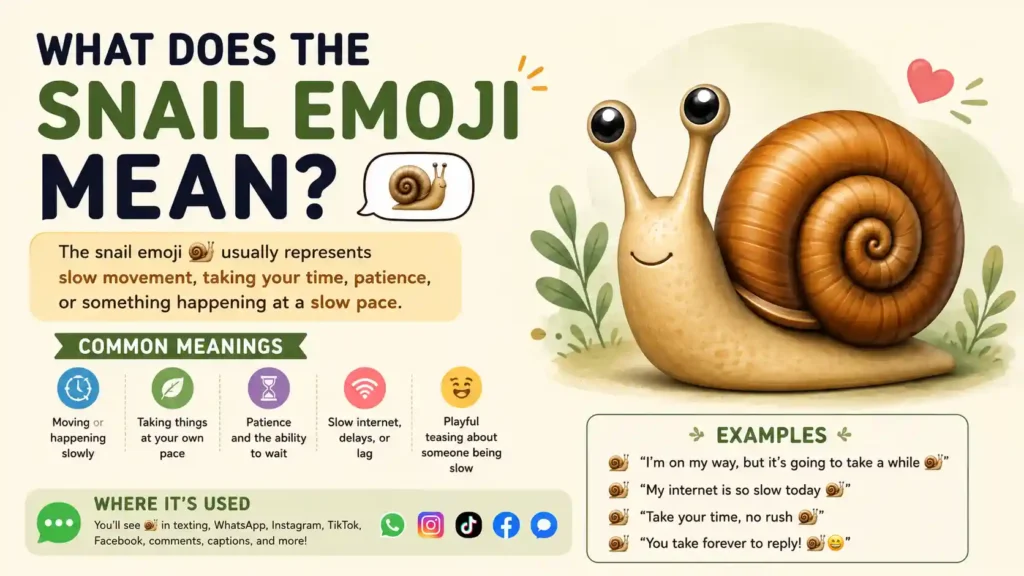
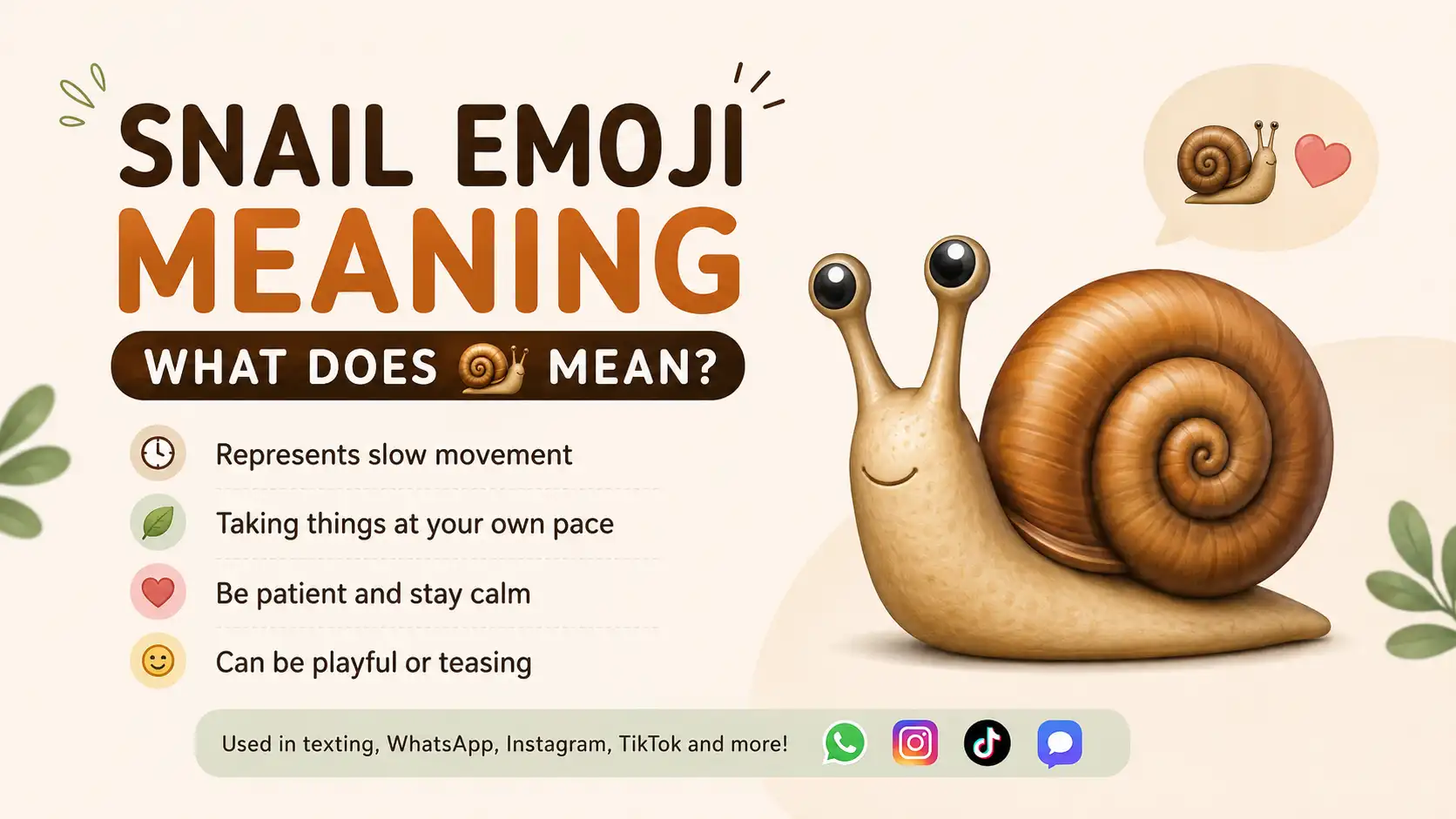
At its most basic level, 🐌 represents slowness. It’s the emoji people reach for when something (or someone) is moving at a crawl, whether that’s a delayed reply, slow internet, or a task that’s dragging on longer than expected. But that’s only the surface reading.
Emotionally, 🐌 can also stand for patience and taking your time. Not every use of this emoji is a complaint. Some people use it to describe a slow, steady pace they’re comfortable with, especially in relationships or personal growth conversations where “going slow” is intentional rather than frustrating.
In texting, 🐌 often shows up as a light, self-aware joke. Someone might text “sorry, running on 🐌 time today” to explain a late reply without sounding overly formal about it. It softens the apology and keeps the tone casual.
On social media, the meaning shifts slightly again. In captions or comments, 🐌 can describe a slow morning, a lazy weekend, or a garden and nature aesthetic, especially when paired with 🍃 or 🌿. It’s also become a playful way to describe someone who takes ages to respond in group chats, usually without any real annoyance behind it.
Here’s where nuance really matters: the same 🐌 can read as teasing, affectionate, sarcastic, or purely descriptive depending on wording around it. “You’re such a 🐌 lol” between close friends reads as banter. The same emoji sent by someone you barely know might just mean they’re describing their day.
Snail Emoji Meaning Table:
| Emoji | Core meaning | Possible misread | Best used when |
|---|---|---|---|
| 🐌 | Slowness, patience, taking your time | Being rude about someone’s pace | Joking about a slow reply or lazy day |
| 🐢 | Steady, unhurried pace | Calling someone lazy | Describing a relaxed, no-rush mood |
| 💤 | Tiredness, low energy | Boredom with the conversation | Ending the day or admitting you’re sleepy |
| 🏠 | Comfort, home, staying in | Not wanting to see someone | Talking about cozy nights in |
| 🌧️ | Rainy mood, nature setting | Sadness or bad news | Weather updates or garden posts |
| 🕐 | Time, pace, punctuality | Passive aggressive timing hint | Jokingly marking how late something is |
10 Snail Emoji Cards:
🐌 Snail :
Meaning: Slowness, patience, or a playful nod to taking your time.
Example 1: Give me a sec, I’m on 🐌 mode today.
Example 2: My internet is basically a 🐌 right now.
🐢 Turtle:
Meaning: A steady, unhurried pace that feels calm rather than rushed.
Example 1: No rush, we’re going 🐢 speed this weekend.
Example 2: Slow and steady, just like a 🐢.
🍃 Leaf Fluttering in Wind :
Meaning: Lightness, freshness, and a gentle nature vibe.
Example 1: Morning walk energy 🍃
Example 2: New season, new mood 🍃
🌿 Herb :
Meaning: Growth, calm, and a grounded connection to nature.
Example 1: Slowly growing into myself 🌿
Example 2: Garden update: everything’s thriving 🌿
🏠 House:
Meaning: Comfort, home, and a preference for staying in.
Example 1: Staying 🏠 tonight, need the rest.
Example 2: Home is where I move at my own pace 🏠
💤 Zzz :
Meaning: Tiredness, sleepiness, or running low on energy.
Example 1: Replying at 🐌 speed, basically 💤 already.
Example 2: Long day, heading to bed 💤
🌧️ Cloud with Rain:
Meaning: A rainy, quiet mood or a literal weather update.
Example 1: Perfect day to stay in, it’s 🌧️ outside.
Example 2: Rainy walks bring out the snails 🌧️
🥬 Leafy Green :
Meaning: Freshness and a lighthearted nod to what snails love to munch on.
Example 1: Garden’s looking good this week 🥬
Example 2: Slow cooking, fresh ingredients 🥬
🕐 Clock :
Meaning: Time passing, pace, or a nod to being late.
Example 1: Running on 🐌 time, check back at 🕐
Example 2: It’s been an hour and still no reply 🕐
🍄 Mushroom :
Meaning: A whimsical, earthy nature symbol often paired with slow-living posts.
Example 1: Found this on today’s slow walk 🍄
Example 2: Forest core mood today 🍄
How to use the snail emoji the right way :
WhatsApp 💬:
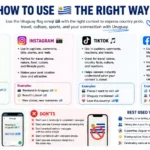
In personal chats, 🐌 usually softens a late reply or explains why you’ve gone quiet. Between friends, it’s a quick way to say “I saw this, I’m just slow today” without writing a whole excuse. In family group chats, it often shows up in a lighter, joking way, like teasing a relative who takes days to respond to a simple question. On status updates, 🐌 paired with 🏠 or 💤 can describe a slow, cozy day at home.
Instagram 📸
On Instagram, 🐌 fits naturally into captions about nature walks, garden photos, or slow mornings. It also appears in comments as a playful jab, like commenting 🐌 under a friend’s post about finally replying to messages. In bios, it’s less common alone but can hint at a laid back personality when paired with 🌿 or 🍃. On reels, especially slow-living or cottagecore style content, 🐌 reinforces the unhurried aesthetic and helps with engagement from a like-minded audience.
TikTok 🎵
TikTok comments often use 🐌 humorously, calling out slow app loading times, buffering videos, or a creator’s delayed posting schedule. It’s also common in captions for “day in my life” style content that leans into a relaxed pace. Irony plays a role too: someone might post a fast-paced trend with a 🐌 caption as a joke about how long it took them to actually film it.
On Facebook, 🐌 tends to appear in posts about weekend plans, gardening, or general life updates where the tone is relaxed. In comments, it’s often a friendly tease about someone’s response time. In Messenger, it works similarly to WhatsApp, usually softening a delay. As a reaction, it’s less standard than the built-in reaction set, but it still gets used in comment threads to add a light, low-pressure tone.
Dos and Don’ts
Do:
- Use 🐌 to soften an apology for a late reply.
- Pair it with 🌿 or 🍃 for nature and slow-living posts.
- Consider your relationship with the receiver before sending it.
- Match the emoji to the overall tone of the conversation.
- Check how it renders on the recipient’s device if the message is important.
Don’t:
- Assume 🐌 always means someone is annoyed.
- Send it in a serious or professional message without context.
- Overload a heartfelt message with too many emojis at once.
- Combine it with unrelated emoji families just to fill space.
- Assume it automatically has a romantic meaning without other cues.
Why do snail emojis look different on iPhone and Android?
Every emoji, including 🐌, is defined by a Unicode standard. That standard sets the underlying character and its general concept, in this case, a snail. What it doesn’t set is the exact artwork. Companies like Apple, Google, Samsung, and Microsoft each design their own visual version of that character.
That’s why the same 🐌 can look glossy and detailed on an iPhone, flatter and more cartoonish on some Android phones, and slightly different in shell color or shading depending on the platform. The shape, color, and even the expression (if the emoji has a face) can vary. Size and overall style also shift between operating systems.
None of these versions is more “correct” than another. They’re all valid representations of the same underlying Unicode character. If you send 🐌 from an iPhone to someone on an older Android device, the meaning stays identical, only the artwork changes on their screen.
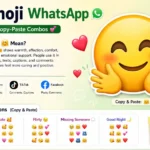
Best snail emoji combos, copy and paste :
Romantic ❤️:
1.👉 🐌🏠 — for someone who’s slowly starting to feel like home
2.👉 🐌🕐 — teasing someone who takes forever to reply but you’re not mad about it
3.👉 🐌🍃 — a soft way to say you’re taking things slow with someone new
Cute 🥰:
1.👉 🐌🍄 — for a whimsical, nature-loving caption
2.👉 🐢🍃 — describing a calm, easygoing day
3.👉 🐌🥬 — lighthearted and garden-themed
Flirty 😉:
1.👉 🐌💤 — playfully calling out someone’s slow replies
2.👉 🐢🏠 — hinting you’d rather stay in with them
3.👉 🐌🕐 — teasing them about keeping you waiting
Missing Someone 💭:
1.👉 🐌🕐 — every hour feels slower without them
2.👉 🐌🌧️ — a quiet, rainy day thinking of someone
3.👉 🐢🍃 — time moving slowly while you wait to see them
Good Night 🌙:
1.👉 🐌💤 — winding down at your own pace
2.👉 🐢💤 — a slow, peaceful end to the day
3.👉 🌧️💤 — cozy rainy night, heading to sleep
Trending snail emojis in 2026:
Slow-living content has stayed popular across platforms, and 🐌 fits naturally into that aesthetic. It’s commonly seen in captions about garden walks, quiet mornings, and unhurried routines, often alongside 🍃 or 🌿. Creators making cottagecore or nature-focused content frequently reach for it to reinforce a calm, grounded tone.
🐢 continues to appear in similar spaces, especially in captions about self-care and taking things one step at a time. 💤 stays popular as a shorthand for tiredness or low energy, frequently used in comments and captions where someone wants to explain a delay without over explaining.
🌧️ tends to spike in use during rainy seasons, often paired with 🐌 since real snails are famously associated with wet weather. Together, these emojis show up in comments and captions where users want a gentle, low-key tone rather than something bold or attention-grabbing.
| Emoji | Why trending | Who uses it | Platform |
|---|---|---|---|
| 🐌 | Fits slow-living and nature aesthetics | Casual users, lifestyle creators | Instagram, TikTok |
| 🐢 | Popular in self-care and calm-pace content | Younger users, wellness accounts | TikTok, Instagram |
| 💤 | Shorthand for tiredness or slow replies | General texting audience | WhatsApp, Facebook |
| 🌧️ | Common in rainy-season and mood posts | Everyday users, nature accounts | Instagram, Facebook |
Overall, emoji usage keeps shifting alongside broader content trends, and slow-paced, nature-leaning emojis like 🐌 have found a comfortable place in that shift without needing to be flashy or dramatic.
Snail emoji meaning in different contexts :
In romantic conversations, 🐌 can signal that someone is comfortable taking things at their own pace rather than rushing. It often reads as reassuring rather than distant when used this way.
Among friends, it’s usually a light, teasing tool, calling out a slow reply or a lazy day without any real edge behind it. In family chats, the tone tends to be similar, often used affectionately toward a relative known for taking their time with everything.
In professional or semi-formal settings, 🐌 is used more cautiously, if at all. It can describe a delayed project update, but it’s best paired with clear wording so it doesn’t come across as sarcastic or dismissive.
In texting generally, 🐌 softens a late response. In social media comments, it usually adds humor or emphasizes a relaxed vibe. It leans into the nature and slow-living angle discussed earlier. The emoji itself doesn’t change, but the surrounding words and platform shift how it lands each time.
How to copy and paste the snail emoji:
Copying and pasting 🐌 is simple no matter which app you’re using. Just select the emoji above, copy it, and paste it wherever you need it.
Once copied, you can drop 🐌 straight into a WhatsApp chat, an Instagram caption or comment, a TikTok caption, or a quick reply anywhere else you’re typing. It works the same way across most keyboards, so there’s no special formatting required, just copy and paste and it will show up correctly on the recipient’s screen using their device’s own emoji style.
FAQs:
1. What is the most popular snail emoji?
🐌 is the primary and most recognized version. It’s the go-to choice for slowness, patience, or a playful nod to taking things easy.
2. What does 🐌 mean when someone sends it?
It depends on context rather than who’s sending it. It could mean they’re apologizing for a slow reply, describing a relaxed day, or just joking around, not a gendered or fixed meaning.
3. Why do emojis look different on iPhone vs Android?
Emojis follow a shared Unicode standard for their meaning, but each company designs its own artwork. That’s why the same emoji can look slightly different depending on the device, even though it represents the same idea.
4. Is the snail emoji used differently in other countries?
Cultural context and community habits can shape how any emoji, including 🐌, gets used in casual conversation. It’s worth paying attention to how people around you use it rather than assuming one fixed interpretation everywhere.
Conclusion
At the end of the day, 🐌 is less about literal slowness and more about tone. Whether it’s softening a late reply, adding a nature touch to a caption, or teasing a friend, context always shapes what it really means. Next time you see it pop up in a chat, take a second to read the room before deciding how to reply. 🐌

Nasrullah — Emoji Strategist & Content Writer
Nasrullah is a passionate emoji enthusiast and content writer who loves exploring the meanings, uses, and cultural context behind emojis. He creates simple, helpful, and easy-to-understand guides that help readers choose the right emoji for WhatsApp, Instagram, Facebook, texting, and everyday conversations.
With a focus on emoji meanings, combinations, social media usage, and modern digital communication, Nasrullah aims to make every emoji easier to understand and use with confidence. His content combines practical examples with clear explanations so readers can quickly find the meaning and usage they are looking for.
When he’s not researching emojis, Nasrullah enjoys exploring digital trends, writing useful online content, and learning about how people communicate in the digital world. 😊